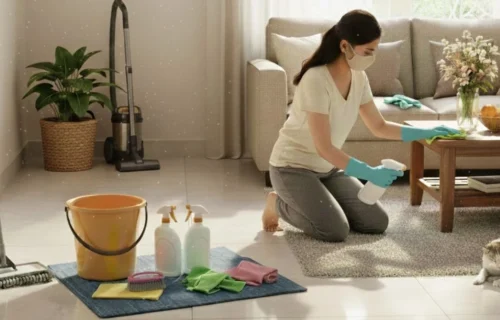
Eco Friendly Cleaning Products That Actually Work
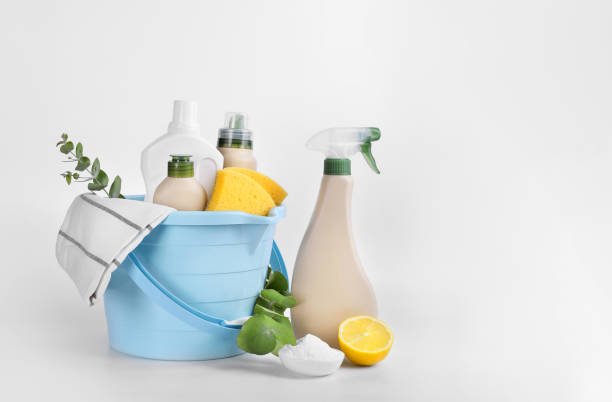
Eco Friendly Cleaning Products for Your Home
There’s a whole aisle of it now — green labels, leaf logos, “plant-based” written across every bottle. And somewhere in the back of your mind is probably the same question a lot of people quietly have: do eco friendly cleaning products actually work, or are you just paying more for the same clean with better branding?
I’ve gone back and forth on this myself. Some eco products genuinely perform as well as conventional ones. Others are, frankly, kind of disappointing once you actually put them to the test on a stubborn grease stain. The trick is knowing which is which, instead of assuming every green label is equally effective.
Let’s sort through what’s worth switching to in 2026, and what’s still catching up.
Why Switch to Eco Friendly Cleaning Products in the First Place
Quick answer: Eco friendly cleaning products reduce exposure to harsh chemical fumes indoors, are generally safer around kids and pets, and cause less environmental impact when they go down the drain — though the switch matters most for daily-use products, less so for rare, heavy-duty jobs.
Here’s something that surprised me when I first looked into it: indoor air can actually carry more airborne chemical residue than outdoor air in some homes, largely from conventional cleaning products and air fresheners. That’s not meant to sound alarming — it’s just a reason the switch matters more than people assume.
The bigger, more personal reason for a lot of people is simpler: fewer harsh fumes, less coughing while cleaning the bathroom, and honestly, a home that doesn’t smell like a chemical plant for an hour afterward.
Which Eco Friendly Cleaning Products Actually Perform Well
This is where I’ll push back a little on blanket “eco is always better” claims, because it’s not universally true.
Products that genuinely hold their own against conventional cleaners:
- Plant-based all-purpose sprays for everyday counters and surfaces
- Vinegar-based glass cleaners (works surprisingly well, streak-free if used right)
- Enzyme-based drain cleaners for routine maintenance, not severe clogs
- Baking soda-based scrubs for sinks and tubs
Where eco alternatives still tend to underperform:
- Heavy-duty grease removal (kitchen exhaust hoods, baked-on oven grime)
- Serious mold and mildew removal, where bleach still often wins
- Deep disinfecting after illness in the household
Picture a stubborn grease-caked stovetop after a big cooking session. A plant-based spray might need two or three passes where a conventional degreaser does it in one. That’s a real tradeoff, not a myth — worth knowing before you toss every conventional product at once.
Reading Labels: What “Eco Friendly” Actually Means
Quick answer: “Eco friendly” isn’t a regulated term on most product labels, which means it’s used loosely — look instead for specific claims like “biodegradable,” “phosphate-free,” or genuine third-party certifications, rather than trusting the word “green” or “natural” alone.
This is honestly one of the most important things to know before shopping for eco friendly cleaning products. Companies can slap “natural” on a bottle with almost no oversight in a lot of markets.
What to actually look for:
- Third-party certifications (specific eco-certification logos, not just marketing text)
- A full ingredient list, not just “plant-derived formula” vaguely stated
- Biodegradability claims backed by specifics, not just the word alone
- Packaging made from recycled or recyclable materials, if that matters to you
Has this ever happened to you — you pick up a bottle labeled “natural,” flip it over, and the ingredient list looks identical to the conventional version next to it? It happens more than you’d think.
DIY Eco Friendly Cleaning Recipes Worth Trying
Store-bought isn’t the only route. Some of the most effective eco cleaning happens with ingredients already in most kitchens.
Reliable combinations:
- White vinegar and water for glass and general surfaces (skip on natural stone, though — it can etch marble and granite)
- Baking soda paste for scrubbing sinks, tubs, and stovetops
- Castile soap diluted with water as a gentle all-purpose cleaner
- Lemon and salt for cutting boards and light rust spots
[link to related guide on natural home cleaning tips here]
I’ll admit DIY solutions aren’t always as convenient — mixing takes a few extra minutes conventional sprays don’t require. But for regular light cleaning, they hold up well and cost noticeably less over time.
Eco Friendly Products for Specific Rooms
Kitchen: Plant-based degreasers for daily wiping, vinegar solutions for countertops, baking soda for sink scrubbing.
Bathroom: Enzyme cleaners for routine drain maintenance, vinegar for mineral deposits on faucets, though tougher mold cases may still need something stronger occasionally.
Living areas: Microfiber cloths with just water handle most dusting without needing chemical sprays at all — an easy, genuinely eco-friendly swap most people overlook.
Laundry: Plant-based detergents work well for regular loads; stubborn stains sometimes still benefit from a targeted conventional stain treatment used sparingly.
[link to related guide on deep cleaning versus regular cleaning here]
Cost Comparison: Eco Friendly vs Conventional Cleaning Products
Eco products carry a reputation for being expensive, and sometimes that’s fair. But it’s not universal.
- Store-bought eco sprays often cost more per bottle than conventional equivalents
- DIY recipes (vinegar, baking soda, castile soap) are usually cheaper than both options combined
- Concentrated eco formulas, diluted at home, can actually work out cheaper per use than pre-mixed conventional sprays
- Refill stations and bulk buying reduce the price gap significantly where available
If budget’s a concern, leaning DIY for daily cleaning and reserving store-bought eco products for specific tasks tends to balance cost and performance reasonably well.
Common Mistakes When Switching to Eco Friendly Cleaning
A few patterns I’ve seen trip people up during the transition:
- Expecting identical performance immediately, then giving up after one disappointing result
- Using vinegar-based cleaners on natural stone surfaces, which can cause etching over time
- Assuming all “green” products are equally effective without checking actual ingredients
- Throwing out every conventional product at once instead of transitioning gradually
None of these mistakes are permanent problems. They’re just adjustment issues that tend to sort themselves out once you know what to expect.
FAQ: Common Questions About Eco Friendly Cleaning Products
Are eco friendly cleaning products as effective as conventional ones? For everyday cleaning, generally yes. For heavy-duty jobs like baked-on grease or serious mold, conventional products still often outperform eco alternatives.
Is vinegar safe to use on all surfaces? No — avoid it on natural stone like marble and granite, since the acidity can etch and dull the surface over time.
Do eco friendly cleaning products cost more than regular ones? Store-bought versions sometimes do, but DIY recipes using vinegar, baking soda, and castile soap are usually cheaper than both conventional and premium eco products.
What does “eco friendly” actually mean on a product label? It’s largely unregulated as a term, so it’s worth checking for specific claims like biodegradability or genuine certifications rather than trusting the label alone.
Can eco friendly cleaning products disinfect as well as bleach? Not typically to the same degree. For serious disinfecting needs, like after illness, conventional disinfectants still tend to be more reliable.
How do I start switching to eco friendly cleaning products without wasting money? Use up existing conventional products first, then replace them one at a time as they run out, starting with everyday items like all-purpose sprays and glass cleaner.
Conclusion
Eco friendly cleaning products aren’t a universal upgrade over conventional ones, but for most everyday cleaning tasks, they genuinely hold up well — and the reduced chemical exposure is a real benefit, not just marketing. The honest approach is knowing where they shine (daily surfaces, glass, general tidying) and where conventional products still have an edge (heavy grease, serious mold, deep disinfecting).
Start small. Swap one product this week, see how it performs on your actual mess, not a hypothetical one. That’s a better test than any label ever could be.
Suggested image alt text:
- “Plant based eco friendly cleaning spray bottles on counter”
- “Vinegar and baking soda used as natural cleaning solution”
- “Person reading ingredient label on eco friendly cleaning product”