Better Water at Home: What Florida Homeowners Should Know About Water Treatment
Water is one of those things we rarely think about until something seems wrong. Perhaps your drinking water has an unusual taste, white spots keep appearing on your shower doors, or your faucets develop stubborn mineral deposits no matter how often you clean them. Sometimes, even freshly washed clothes feel rough, and soap doesn’t seem to rinse away properly. These everyday frustrations can be signs that your water quality deserves a closer look.
For homeowners in Ocala, Florida, understanding what’s in the water is a practical first step toward finding the right solution. Water quality can vary depending on the source, local conditions, plumbing, and treatment methods already in place. The good news is that different water concerns can often be addressed with the right equipment and a little informed planning.
Understanding What’s Really in Your Water
Water can look perfectly clear and still contain dissolved minerals or other substances that affect its taste, smell, and performance around the house. That’s why appearance alone isn’t a reliable way to judge water quality.
Hard water is a common concern in many households. It contains elevated levels of minerals, particularly calcium and magnesium, which can leave scale on faucets, showerheads, and appliances. Over time, mineral buildup may reduce the efficiency of water heaters and make cleaning more difficult.
Other concerns are different altogether. An unpleasant odor may have several possible causes, while discoloration can sometimes point to plumbing corrosion or sediment. A metallic taste, for example, shouldn’t automatically be blamed on hard water. Different problems require different approaches, and choosing equipment without identifying the underlying cause can waste money.
For homeowners considering water treatment ocala florida, the sensible starting point is to understand the water source and identify the specific issue. A qualified water treatment professional can help determine whether laboratory testing, a review of a private well, or an assessment of the existing plumbing is appropriate.
Why Water Testing Is Worth the Effort
Many people shop for water treatment equipment after noticing a problem. That’s understandable, but testing first can make the decision much more straightforward.
A water test can help identify hardness, pH, iron, manganese, and other relevant characteristics. Depending on the water source and the symptoms, additional testing may be needed for particular contaminants, including nitrates, bacteria, or other substances that can affect safety. The appropriate test depends on the concern; no single basic test checks for everything.
Private well owners should pay particular attention to regular testing because well water isn’t monitored in the same way as water supplied by a regulated public utility. Testing schedules should follow local health guidance and account for changes in the well, nearby land use, flooding, or noticeable changes in taste or appearance.
People receiving municipal water can review the supplier’s water quality report and arrange additional testing if they have concerns about their home’s plumbing or water at the tap. A utility report describes the supplied water, but it may not reveal problems introduced by pipes or fixtures inside an individual property.
The important point is simple: identify the issue before investing in a solution. Reliable information makes it easier to choose equipment that addresses the actual problem rather than one that merely sounds impressive.
Choosing a Treatment System That Fits Your Needs
There isn’t one water treatment system that works equally well for every home. The right option depends on what the water test shows, how much water the household uses, and which concerns matter most.
Filtration systems can reduce particular substances when the filter is designed and certified for that purpose. Activated carbon, for instance, is commonly used to improve taste and odor and reduce certain organic compounds. Other filters are designed to capture sediment or target specific contaminants.
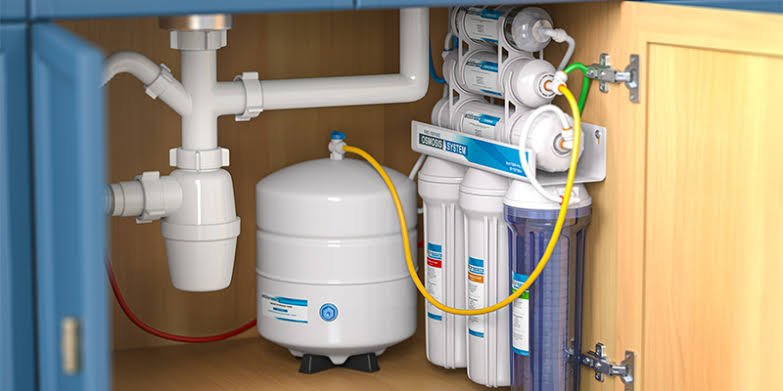
Reverse osmosis systems use a membrane to reduce many dissolved substances in drinking water. They’re often installed at a kitchen sink, although other configurations are available. Their effectiveness depends on the system design, maintenance, and the contaminants being targeted.
Ultraviolet treatment may be appropriate for controlling certain microorganisms in water, particularly in some private well applications. However, it doesn’t remove dissolved minerals or chemical contaminants, and proper pretreatment may be necessary.
These differences matter. A filtration system designed to improve taste won’t necessarily remove every contaminant, while a softener isn’t intended to make all water safe to drink. Before choosing a system, check its performance claims, relevant certifications, maintenance requirements, and suitability for the water being treated.
How Water Softening Can Improve Daily Life
Hard water is often more of a household nuisance than an immediate health concern, but it can affect everyday comfort and maintenance. Mineral deposits build up on shower doors, kitchen fixtures, and heating equipment. Soap may lather less easily, and cleaning can become a repetitive chore.
Traditional ion-exchange softeners reduce hardness by exchanging calcium and magnesium ions for other ions, commonly sodium. When correctly sized and maintained, these systems can help limit scale formation and make routine cleaning easier.
For households struggling with persistent mineral buildup, water softening solutions may help protect plumbing fixtures and improve the performance of water-using appliances. The best choice depends on measured water hardness, household demand, installation space, and maintenance preferences.
It’s also worth understanding the trade-offs. Conventional softeners use salt during regeneration and produce wastewater. Some households may prefer alternative approaches, but devices marketed as salt-free conditioners generally work differently and should not be assumed to remove hardness minerals in the same way as traditional softeners.
People following a low-sodium diet may also want to discuss drinking-water options with their healthcare professional, since ion-exchange softening can increase sodium levels. In some homes, leaving a separate kitchen drinking-water line untreated is an option, depending on the plumbing and treatment setup.
What Professional Water Treatment Services Should Include
Choosing equipment is only one part of the process. Installation, system sizing, ongoing maintenance, and follow-up testing all influence how well a treatment system performs over time.
Professional water treatment services should begin with a discussion of the water problem and the household’s expectations. A provider should explain the test results, describe suitable treatment options, and outline what each system can and cannot accomplish. If a particular contaminant is the concern, ask for documentation showing that the proposed equipment has been tested or certified for its reduction.
Sizing is important, too. A system that’s too small may struggle to meet household demand, while an unnecessarily large system can increase initial and operating costs. The installer should consider the water source, flow rate, daily use, and any special requirements.
Before agreeing to an installation, ask about the total cost, replacement filters, salt or other consumables, service intervals, warranties, and expected water waste. Make sure you understand which maintenance tasks you can handle yourself and which require professional attention.
No system is completely maintenance-free. Filters become exhausted, components wear out, and performance can decline when routine servicing is ignored. Keeping a simple maintenance record helps you track replacements and recognize when the system needs attention.
Small Habits That Help Protect Water Quality
Treatment equipment works best when it’s part of a sensible approach to water management. Check faucets and visible plumbing periodically for leaks, clean aerators when mineral deposits accumulate, and follow the manufacturer’s instructions for filter changes and system sanitation.
If your home uses a private well, keep the wellhead protected and make sure drainage carries surface water away from it. Avoid storing chemicals near the well, and arrange testing according to local public health recommendations.
Pay attention to changes, too. A sudden difference in taste, smell, color, or clarity deserves investigation rather than an assumption that the treatment system will automatically take care of it. If you suspect contamination, use appropriate alternative drinking water while seeking guidance from local health authorities or a qualified water professional.
These steps may seem small, but they help you notice problems sooner and keep your equipment working as intended.
Making a Confident Choice for Your Home
Better water doesn’t necessarily mean buying the most expensive system or installing several different filters. It means understanding your water, deciding which concerns need attention, and choosing equipment that has a clear purpose.
Start with reliable testing, ask questions about the results, and compare treatment options based on verified performance rather than broad promises. Consider installation costs alongside long-term maintenance, and make sure the system fits your household’s actual needs.
For homeowners in Ocala, taking a thoughtful approach can make water treatment less confusing and more effective. When you know what you’re dealing with, you can make practical improvements, protect household equipment from avoidable damage, and feel more confident about the water you use every day.