How to Prevent Frozen Pipes in Winter
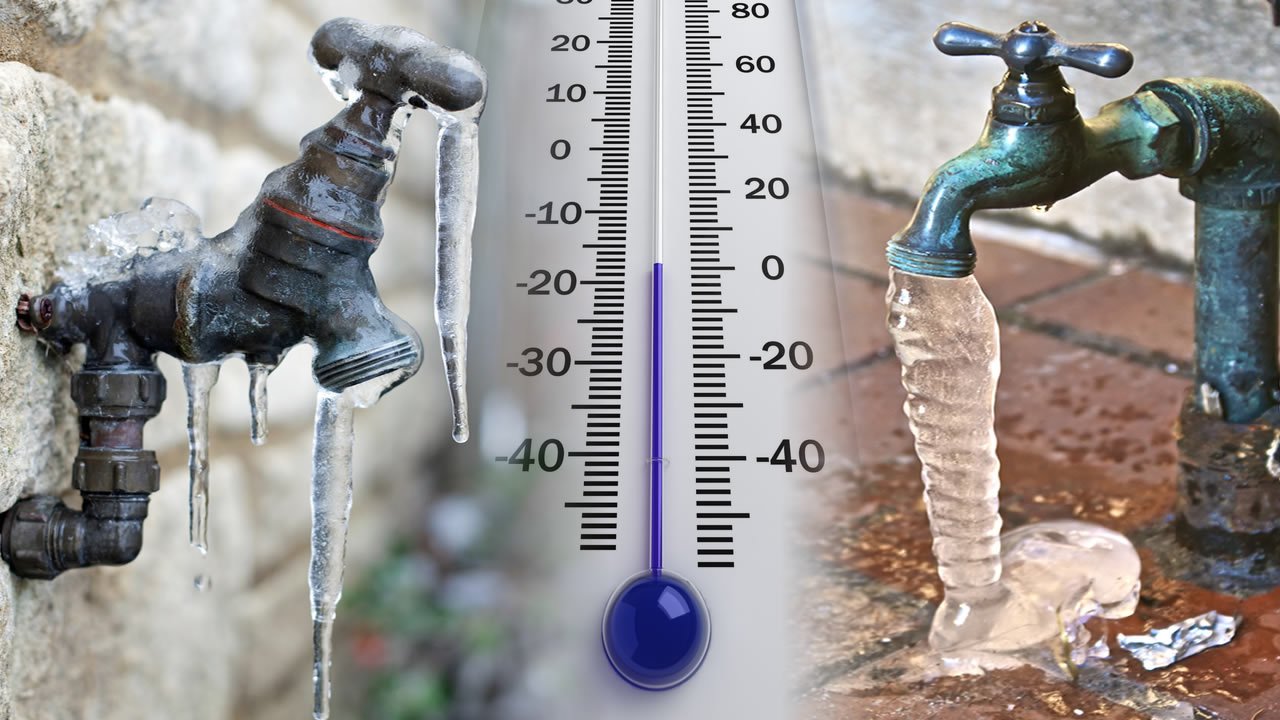
There’s a specific kind of dread that comes with waking up to no water pressure on a freezing morning, followed by the slow realization of what that probably means. Learning how to prevent frozen pipes before the cold actually sets in is one of those unglamorous chores that saves you from a genuinely miserable, expensive week.
I’ve noticed people tend to treat this as a “someone else’s problem” issue — until the year it isn’t. A burst pipe doesn’t just mean a repair bill. It usually means water damage too, which is a whole separate mess on top of the plumbing fix. The good news is that most of what it takes to prevent frozen pipes is cheap and doesn’t require a plumber.
Let’s go through what actually works, starting before winter even arrives.
Why Pipes Freeze and Why It’s More Common Than People Think
Quick answer: Pipes freeze when water inside them sits still in freezing temperatures long enough for ice to form, and the real danger isn’t the ice itself but the pressure buildup between the ice blockage and a closed faucet — that pressure is what actually causes pipes to burst.
Here’s the part that surprises people: it’s not usually the coldest nights in the dead of winter that cause the worst damage. It’s often the first hard freeze of the season, before anyone’s thought to prepare, or an unusually cold snap in a region that doesn’t typically get that cold.
Pipes in unheated or poorly insulated areas — attics, crawl spaces, exterior walls, garages — are the most vulnerable. Interior pipes running through heated living space rarely have an issue at all.
Insulating Pipes: The First Line of Defense
Quick answer: Foam pipe insulation sleeves are one of the cheapest and most effective ways to prevent frozen pipes, and they’re simple enough to install yourself in under an hour for most homes.
This is genuinely the highest-value, lowest-effort fix on this entire list. Foam sleeves cost very little and slide directly over exposed piping.
Priority areas to insulate:
- Pipes running through unheated basements or crawl spaces
- Any pipe in an attic or garage
- Exterior-facing pipes along outer walls
- Pipes near foundation vents or crawl space openings
Picture a pipe running along an uninsulated garage wall, exposed to whatever temperature the garage happens to be. A five-dollar foam sleeve on that single pipe can be the difference between a normal winter and a burst pipe repair bill.
Sealing Gaps and Drafts Near Pipes
Cold air finding its way to a pipe is often the real culprit, more than the outdoor temperature alone.
Check and seal:
- Gaps around where pipes enter the house from outside
- Cracks in foundation walls near crawl space piping
- Gaps around dryer vents and other exterior penetrations
- Openings around cable or utility lines that share a wall cavity with piping
Has this ever happened to you — you feel a draft near an interior wall and can’t figure out where it’s coming from? Half the time it traces back to a gap around a pipe or utility line that was never properly sealed during construction.
Keeping Cabinet Doors Open During Cold Snaps
This one costs nothing and takes ten seconds, which makes it one of the easiest ways to prevent frozen pipes during an especially cold night.
Under-sink cabinets, particularly on exterior walls, often trap cold air around plumbing. Opening the cabinet doors during a hard freeze lets warmer room air reach the pipes directly.
- Open kitchen sink cabinets on exterior walls during extreme cold
- Do the same for bathroom vanities positioned against outer walls
- Especially important in older homes with less wall insulation
It feels almost too simple to matter, but plumbers consistently recommend it, and it genuinely helps in borderline temperature situations.
Letting Faucets Drip During Extreme Cold
Quick answer: Letting a faucet drip slightly during severe cold keeps water moving through the pipe, which makes it significantly harder for ice to form and helps relieve pressure buildup even if a partial freeze does occur.
I used to think this tip was overhyped, honestly, until I looked into the actual mechanics of it. Moving water resists freezing far better than still water, and a slow drip also reduces the pressure that builds when ice does start to form somewhere in the line.
Best used for:
- Faucets connected to pipes running along exterior walls
- Nights with unusually severe cold warnings, not every single winter night
- Both hot and cold taps, since either line can freeze depending on layout
Maintaining Consistent Indoor Temperature
Turning the heat down or off while away is a common instinct to save money, but it’s one of the riskier habits during winter.
Better approach:
- Keep the thermostat at a consistent temperature, even while traveling, generally not below around 55°F (13°C)
- Avoid closing vents in rooms with exposed plumbing, even unused rooms
- If leaving for an extended trip, consider having someone check the house periodically
[link to related guide on monthly home maintenance checklists here]
A slightly higher heating bill during a cold snap is a much smaller cost than repairing a burst pipe and the water damage that usually comes with it.
What to Do If a Pipe Freezes Anyway
Even with prevention, sometimes a pipe freezes. Knowing the right response matters.
- Keep the faucet open — this relieves pressure as the ice starts to thaw
- Apply gentle heat to the frozen section using a hair dryer or heating pad, never an open flame
- Check for cracks before fully thawing, since a cracked pipe will leak once the ice clears
- If you can’t locate the frozen section or suspect a burst, shut off the main water valve immediately
[link to related guide on fixing a clogged drain at home here]
Acting quickly here genuinely limits damage. A frozen pipe caught early is a minor inconvenience. One left alone can mean a flooded room by the time it fully thaws.
Outdoor Pipes, Hose Bibs, and Sprinkler Systems
Exterior plumbing needs its own prep before the first freeze hits.
- Disconnect and drain garden hoses before winter
- Install insulated covers on outdoor faucets (hose bibs)
- Drain and blow out sprinkler system lines if applicable
- Shut off water to exterior faucets from an interior valve, if your home has one
These outdoor fixtures are often the very first thing to freeze each season, simply because they’re the most exposed part of the entire plumbing system.
FAQ: Common Questions About Preventing Frozen Pipes
At what temperature do pipes typically start to freeze? Pipes are generally at risk once temperatures drop to around 20°F (-6°C) or below for an extended period, especially in poorly insulated areas.
Does letting a faucet drip really help prevent frozen pipes? Yes, moving water is significantly more resistant to freezing than still water, and a slow drip also helps relieve pressure if partial freezing does occur.
Which pipes are most at risk of freezing? Pipes in unheated spaces — attics, crawl spaces, garages, and exterior walls — are far more vulnerable than pipes running through heated interior spaces.
Is it expensive to insulate pipes to prevent freezing? Not usually. Foam pipe insulation sleeves are inexpensive and can be installed without professional help in most homes.
What should I do first if I think a pipe has already frozen? Open the connected faucet to relieve pressure, then apply gentle heat to the frozen section, checking carefully for cracks as it thaws.
Should I turn my heat off while traveling in winter to save money? No, it’s generally recommended to keep the thermostat at a consistent minimum temperature, since a burst pipe from turning heat off entirely tends to cost far more than the heating savings.
Conclusion
Most of what it takes to prevent frozen pipes costs very little and takes an afternoon at most — foam insulation, sealing drafts, opening cabinet doors during cold snaps, and keeping consistent indoor heat. The plumbing itself rarely fails on its own; it’s usually the combination of cold, still water, and exposed piping that causes the real damage.
Take an hour this fall to walk through your home and check the usual weak points — exterior walls, crawl spaces, the garage. That one afternoon is a lot cheaper than a burst pipe in January.
Suggested image alt text:
- “Foam insulation sleeve installed on exposed water pipe”
- “Open cabinet doors under sink during winter cold snap”
- “Insulated cover on outdoor hose bib faucet in winter”