Laminate vs Hardwood Flooring: Which One Should You Pick?
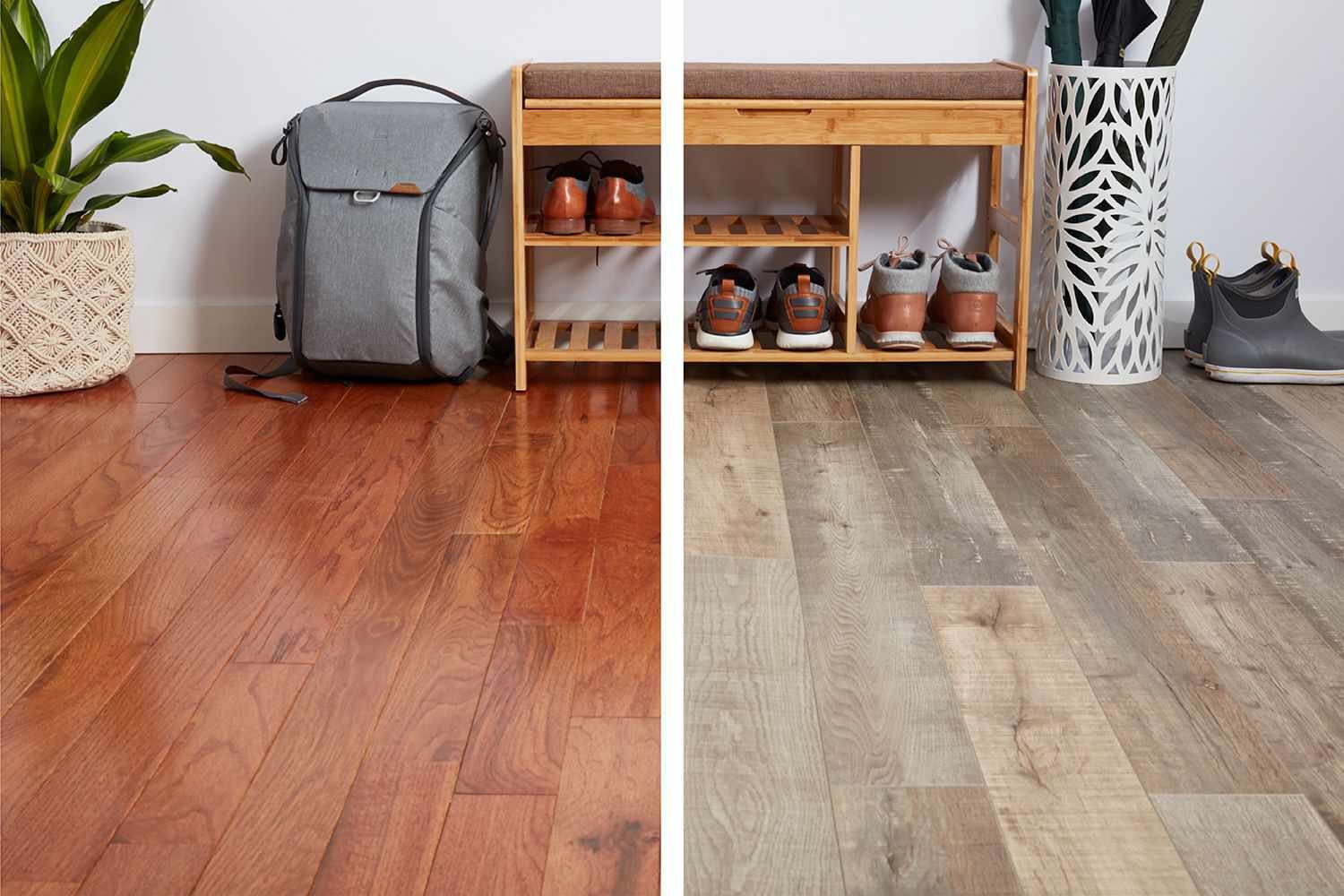
Standing in a flooring showroom with two sample tiles in your hand, both looking almost identical, while the salesperson quotes wildly different prices for each — has this ever happened to you? The laminate vs hardwood flooring debate trips up almost everyone renovating a home, and honestly, the showroom lighting doesn’t help. Everything looks premium under those spotlights.
I’ve lived with both in different homes over the years, and my honest opinion is neither one is universally “better” — it really depends on your budget, your household, and how much maintenance you’re willing to put up with. This isn’t going to be a generic “pros and cons” list copied from a flooring brand’s website. It’s a real comparison, with actual price ranges relevant to Indian buyers in 2026, so you can make a decision that fits your specific situation.
What’s the Real Difference Between Laminate and Hardwood?
Featured answer: Hardwood flooring is made from solid natural wood planks, while laminate flooring is a synthetic product with a photographic wood-look layer over a compressed fibreboard core. Hardwood is more expensive and durable long-term; laminate is cheaper, easier to install, and more resistant to scratches.
Hardwood is the real deal — actual timber, sanded and finished. It can be refinished multiple times over its life, which genuinely extends its usefulness by decades in some cases.
Laminate, on the other hand, is basically a very convincing photograph of wood, laminated onto a dense fibreboard core, topped with a protective wear layer. It’s gotten remarkably good at mimicking real wood grain in recent years — some laminate is honestly hard to tell apart from real wood at a glance.
Cost Comparison: What You’ll Actually Pay
This is usually the deciding factor for most people, so let’s be specific.
- Laminate flooring in India typically runs ₹60-150 per sq ft, including basic installation
- Solid hardwood ranges from ₹250-600+ per sq ft depending on the wood species (teak being on the pricier end)
- Engineered hardwood (a middle ground — real wood veneer over a plywood base) falls around ₹180-350 per sq ft
- Installation labour adds roughly ₹15-40 per sq ft on top, depending on your city and the installer
For a 500 sq ft flat, that’s a difference of roughly ₹45,000 for laminate versus ₹1,50,000+ for solid hardwood. That’s not a small gap.
Durability: Which One Actually Lasts Longer?
Featured answer: Hardwood flooring, properly maintained, can last 50-100 years and be refinished multiple times, while laminate flooring typically lasts 15-25 years and cannot be refinished once the wear layer is damaged — it needs full replacement instead.
Here’s where I’ll push back on something flooring salespeople often gloss over. Laminate is genuinely tough against scratches and dents day-to-day — great if you’ve got dogs or kids dragging toys around. But once the top wear layer is actually damaged, that’s it. You can’t sand and refinish laminate like you can real wood. The whole plank needs replacing.
Hardwood scratches more easily on the surface, especially softer woods, but a scratched hardwood floor can be sanded and refinished to look brand new. I’ve seen 40-year-old hardwood floors restored to look better than some 5-year-old laminate.
Water and Humidity Resistance
Indian monsoons are genuinely rough on flooring, and this is where the comparison gets interesting.
Standard laminate is not great with standing water — it swells and warps if water sits on it for too long, though newer waterproof laminate variants have gotten much better at this. Solid hardwood is even more vulnerable to moisture and humidity swings, expanding and contracting with seasonal changes, which can eventually cause gaps or warping if it’s not acclimatised properly before installation.
For genuinely humid, monsoon-heavy regions (coastal cities especially), engineered hardwood or waterproof laminate variants tend to perform better than solid hardwood.
Maintenance: What’s the Day-to-Day Reality?
Laminate wins here, pretty clearly. A damp mop and regular sweeping is basically all it needs. No polishing, no refinishing, no special oils.
Hardwood needs a bit more attention — periodic polishing or oiling depending on the finish, care with water spills (wipe immediately, don’t let it sit), and occasional professional refinishing every several years to keep it looking its best.
Picture a small business owner in Jaipur who installed solid teak flooring in a boutique — gorgeous, but she ended up needing professional maintenance every 8-10 months because of heavy foot traffic. A laminate floor in the same space would’ve needed far less upkeep, just at the cost of that authentic wood feel underfoot.
[link to related guide on interior painting tips for beginners here]
Which One Fits Your Situation Better?
- Tight budget, renting, or planning to move in a few years — laminate is the practical choice
- Long-term home, want something that increases resale value — hardwood, especially solid, tends to add more value
- High-humidity region or ground-floor flat prone to dampness — engineered hardwood or waterproof laminate
- Households with pets or young kids — laminate’s scratch resistance often wins out day-to-day
FAQ: Common Questions About Laminate vs Hardwood Flooring
Which is cheaper, laminate or hardwood flooring? Laminate is significantly cheaper, typically ₹60-150 per sq ft versus ₹250-600+ per sq ft for solid hardwood, making it the go-to for tighter budgets.
Does laminate flooring increase home resale value? Not as much as hardwood generally does — hardwood is often seen as a premium, lasting investment by buyers, while laminate is viewed as a budget-friendly, replaceable option.
Can laminate flooring be installed over existing tiles? Yes, in most cases, as long as the existing surface is flat and stable — this is actually one of laminate’s practical advantages, saving on removal costs.
Is hardwood flooring worth it for a rented flat? Usually not, given the cost and the fact you won’t benefit from the long-term investment — laminate or engineered wood makes more sense for rental properties.
How do I know if my flooring is real hardwood or laminate? Real hardwood has actual wood grain that varies naturally plank to plank, while laminate has a repeating printed pattern — check a few planks for identical grain patterns, a giveaway sign of laminate.
Which is better for Indian weather, laminate or hardwood? Waterproof laminate or engineered hardwood generally handles India’s humidity and monsoon dampness better than solid hardwood, which is more prone to expansion and warping.
[link to related guide on how to choose the right paint finish here]
Wrapping It Up
There’s no universally “correct” winner in the laminate vs hardwood flooring debate — it genuinely comes down to your budget, how long you’re staying, and how much maintenance you’re willing to handle. Laminate makes sense for renters, tight budgets, and busy households; hardwood makes sense as a long-term investment in a home you plan to keep for years.
Before deciding, get physical samples of both from a local dealer and actually walk on them, in your own space, under your own lighting — showroom impressions rarely match how flooring feels once it’s laid down at home.