A More Reliable Water Supply Starts With the Right Home Water System
Water has a way of becoming noticeable only when something isn’t quite right. Maybe the shower loses pressure when someone starts the washing machine, or the kitchen tap produces water with an unusual smell. In homes that depend on private wells, the problems can be a little different. Sediment may appear in the water, a pump might run more often than usual, or the supply may suddenly become inconsistent.
These issues can be frustrating, especially when you’re unsure where to begin. The good news is that many household water problems can be managed with the right equipment, sensible maintenance, and a better understanding of how everything works together. From filtration and treatment to water storage and pressure control, a well-planned system can make daily life easier and help protect important household equipment.
Understanding What Your Home Actually Needs
Every property has its own water requirements. A small house with two occupants may use far less water than a busy family home with several bathrooms, a laundry room, and an outdoor irrigation system. The source of the water matters, too. Municipal supplies and private wells can present very different challenges.
Before purchasing equipment, take time to understand the problems you’re trying to solve. Is the water hard, leaving white deposits on faucets and shower screens? Does it have a metallic taste? Are there visible particles, or is the pressure noticeably weaker than it used to be?
These symptoms can point toward different causes, so treating them all the same way rarely works. A sediment filter won’t necessarily address dissolved minerals, and a softener isn’t designed to remove every possible contaminant. Similarly, a pressure problem might have little to do with water quality itself.
Start with the basics. Review your water source, arrange appropriate testing when necessary, and consider how much water your household uses throughout the day. A little investigation at the beginning can prevent expensive guesswork later.
What Whole-Home Water Treatment Can Do
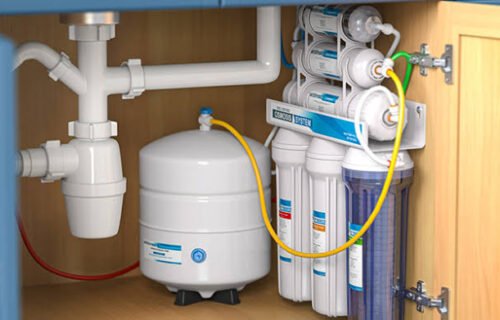
For homeowners dealing with several water-quality concerns, whole-home treatment may offer a practical approach. Rather than treating water at just one faucet, a whole-house system is generally installed where the main supply enters the property. The treated water can then travel to showers, sinks, laundry appliances, and other connected fixtures.
The exact benefits depend on the technology selected. A sediment filtration system can reduce suspended particles, while certain carbon filters help improve taste and odor by reducing specific substances. Water softeners can address hardness minerals, which often contribute to scale buildup inside plumbing and water-using appliances.
One advantage of treating water at the entry point is convenience. Instead of maintaining separate devices throughout the house, homeowners can manage a central system according to its maintenance requirements. It may also help reduce certain water-related issues in bathrooms and laundry areas, depending on the treatment method.
However, whole-house equipment needs to be chosen carefully. Not every home requires multiple treatment stages, and installing unnecessary equipment can increase both the purchase price and ongoing maintenance costs. Some contaminants require specialized treatment, while others may need a different response altogether.
For drinking water, an additional point-of-use filter may still be useful if a particular contaminant requires treatment that the whole-house system doesn’t provide. Testing and product certifications should guide the decision, not simply the number of filters advertised on a package.
The Particular Challenges of Well Water
Private wells provide an important source of water for many rural households, but they also place more responsibility on the property owner. Unlike public water supplies, private wells generally aren’t covered by routine municipal treatment and monitoring programs. Owners need to understand their water quality and arrange suitable testing themselves.
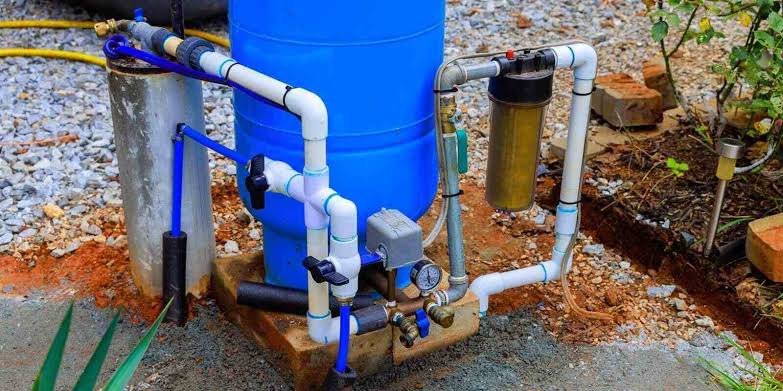
Reliable well water systems often involve more than a pump and a pipe. Depending on local conditions, the setup may include a pressure tank, sediment filtration, water treatment equipment, and protective components designed to keep the supply functioning properly.
Well water can contain naturally occurring minerals, iron, manganese, or sediment. In some locations, contamination from nearby agricultural activities, septic systems, or other sources may also be a concern. Clear-looking water isn’t necessarily safe, and an unpleasant taste doesn’t automatically identify the contaminant responsible.
Regular laboratory testing is therefore important. Testing commonly includes bacteria and nitrates, with additional substances selected according to regional geology and potential contamination sources. The appropriate frequency depends on local guidance and individual circumstances. Testing is also advisable after flooding, well repairs, or a noticeable change in the water’s appearance, taste, or smell.
If results reveal a concern, treatment should be selected for the specific substance identified. Boiling, for example, can help address certain microbial risks during an advisory, but it does not remove chemical contaminants and may concentrate some of them. Follow local public health instructions rather than relying on a general household remedy.
Why Water Pressure Deserves Attention
Water quality is only one part of a dependable household supply. Pressure determines how comfortably water reaches the fixtures you use every day. When pressure is too low, showers become disappointing, appliances may take longer to fill, and everyday tasks can become unnecessarily inconvenient.
The relationship between pumps & pressure is especially important in homes supplied by private wells. The pump moves water from the source, while the pressure tank and its controls help maintain a usable supply within the plumbing system. The correct arrangement depends on well depth, household demand, pump capacity, and the property’s layout.
A system that is too small may struggle during periods of heavy use. On the other hand, a pump that cycles on and off too frequently may indicate an issue with the pressure tank, switch settings, a leak, or another component. Simply installing a stronger pump isn’t always the right answer.
Pay attention to sudden changes. Weak flow at several fixtures, unusual pump noises, or a pump that runs continuously deserves investigation. Check for obvious leaks if it’s safe to do so, but leave electrical components and pressure adjustments to a qualified professional.
Pressure should also remain within the limits recommended for the home’s plumbing and connected equipment. Excessive pressure can place unnecessary stress on pipes, fittings, and appliances, potentially leading to leaks or premature wear.
Installation Matters More Than You Might Expect
Even good equipment can disappoint when it’s poorly installed. Treatment systems need suitable pipe connections, enough room for servicing, and the correct flow capacity for the household. Filters that are too small may restrict water flow, while incorrect installation can create leaks or make maintenance difficult.
Professional assessment is particularly useful when several components must work together. A technician can evaluate the existing plumbing, confirm the system’s requirements, and identify issues that might otherwise be missed. For well owners, this may include examining pump performance, pressure controls, filtration needs, and the condition of accessible equipment.
Ask for clear information before approving an installation. Which problems will the equipment address? What will it not remove? How often will filters or other components need servicing? Are replacement parts readily available?
Straightforward answers to these questions can tell you a great deal about whether a proposed solution is suitable.
Keeping the System Working Over Time
Water equipment isn’t a one-time purchase that can be forgotten after installation. Filters eventually need replacing, softeners may require salt replenishment, and pumps and pressure tanks benefit from periodic inspection. Follow the manufacturer’s maintenance schedule and keep a record of completed work.
It’s also sensible to monitor changes in water quality and performance. If a filter becomes clogged, water flow may decrease. If a pump starts behaving differently, early attention may prevent a more disruptive breakdown. Homeowners with private wells should maintain a regular testing schedule even when the water appears normal.
Small habits help, too. Keep the well area protected from surface runoff, avoid storing chemicals near the wellhead, and make sure the well cap and surrounding structure remain in good condition. Local well-maintenance guidance can provide additional recommendations for your property.
Building a Water System You Can Depend On
A reliable household water supply isn’t necessarily the one with the most expensive equipment. It’s the one designed around the property’s actual needs, installed correctly, and maintained consistently.
Begin by understanding your water source and identifying any quality or pressure concerns. Use testing to guide treatment choices, select appropriately sized equipment, and seek professional advice when the cause of a problem isn’t clear. These steps help avoid unnecessary purchases while improving the chances of getting a lasting solution.
Whether you’re upgrading an existing home or maintaining a rural property, a little planning goes a long way. Clean water, dependable pressure, and equipment that performs as expected can make ordinary routines feel effortless. And when a system quietly does its job day after day, that’s often the best result a homeowner could ask for.