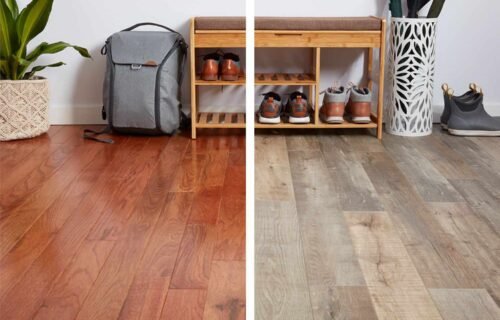
Best Flooring for Pets: What Actually Holds Up
Best Flooring Options for Pet Owners
Anyone who’s watched a dog skid across hardwood at full speed, or found a suspicious carpet stain three days after the fact, knows the struggle. Choosing the best flooring for pets isn’t just about looks anymore — it’s about scratch resistance, spill cleanup, and honestly, your own sanity.
I’ve noticed a lot of flooring advice online ignores the reality of actually living with pets. Sure, hardwood looks beautiful in photos. It also shows every scratch a medium-sized dog makes within the first year. Let’s talk about what genuinely holds up, not just what photographs well in a showroom.
What Makes Flooring “Pet-Friendly” in the First Place
Quick answer: The best flooring for pets balances scratch resistance, water resistance, and traction — materials that fail any one of these three tend to wear out fast, stain permanently, or become dangerously slippery for pets running or walking on them.
Three things matter most, and most flooring options are a tradeoff between them.
- Scratch resistance: Claws, especially on larger or more active dogs, wear down soft surfaces fast
- Water and stain resistance: Accidents happen, water bowls spill, muddy paws track in
- Traction: Overly smooth, glossy surfaces can be genuinely risky for pets, especially older dogs or ones prone to joint issues
A flooring option that nails one of these but fails the other two isn’t really “pet-friendly,” even if it’s marketed that way.
Luxury Vinyl Plank: Often the Best All-Around Choice
Quick answer: Luxury vinyl plank (LVP) is widely considered one of the best flooring options for pets because it’s fully waterproof, resistant to scratches, and mimics the look of hardwood without the vulnerability to claws and moisture.
I’ll be honest, I was skeptical of vinyl flooring for years, associating it with cheap, dated linoleum. Modern LVP is a completely different product, and it’s genuinely become my go-to recommendation for pet owners.
What makes it work well:
- Waterproof core, so accidents wipe up without soaking into the material
- Wear layer thickness matters — look for at least 20 mil for high-traffic pet homes
- Textured finishes provide better traction than glossy alternatives
- Realistic wood-look styles without the scratch vulnerability of actual hardwood
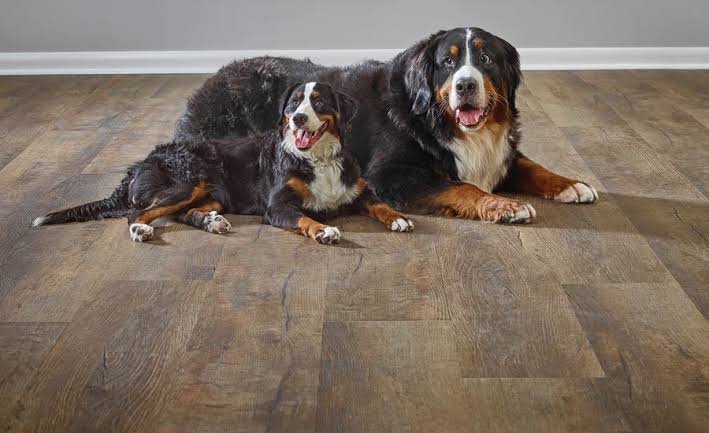
Picture a household with two large dogs and a habit of tracking in mud after every walk. LVP handles that daily reality far better than most other flooring types, without needing constant babying.
Tile Flooring: Extremely Durable, But With Tradeoffs
Tile is nearly indestructible against claws and spills, which makes it tempting. But it comes with genuine downsides worth weighing.
Advantages:
- Completely scratch-resistant, claws simply can’t damage it
- Fully waterproof, ideal for accident cleanup
- Cool surface, appealing in warmer climates
Downsides for pet owners specifically:
- Hard, cold surface that’s uncomfortable for pets to lie on directly
- Can be slippery, especially glazed tile, posing a real risk for older or larger dogs
- Grout lines stain and require regular cleaning
- Unforgiving surface if a pet jumps or falls
[link to related guide on anti-skid flooring options here]
If you go with tile, textured or matte finishes reduce the slip risk considerably compared to glossy options.
Laminate Flooring: A Budget-Friendly Middle Ground
Laminate sits in an interesting middle spot — more affordable than premium vinyl or hardwood, reasonably scratch-resistant, but not fully waterproof in most cases.
Where it works well:
- Homes with smaller or less active pets, lower claw impact overall
- Budget-conscious renovations where full waterproofing isn’t the top priority
- Areas with lower spill risk, like bedrooms rather than kitchens
Has this ever happened to you — laminate that looked fine for years, until one overlooked spill left permanent warping along a seam? That’s the real weak point of laminate for pet households. Water that sits too long at the seams causes damage that’s hard to reverse.
Why Traditional Hardwood Struggles with Pets
Quick answer: Traditional hardwood is one of the least pet-friendly flooring options because it scratches easily, is vulnerable to water damage, and refinishing to remove pet-related wear is expensive compared to simply replacing more durable alternatives.
I know hardwood has a strong emotional pull for a lot of homeowners, and I get it. But realistically, for active pet households, it’s often not the practical choice.
If you’re committed to hardwood anyway:
- Choose harder wood species like oak or hickory over softer options like pine
- Keep nails trimmed regularly to minimize scratching
- Use rugs and runners in high-traffic pet areas
- Clean up spills and accidents immediately, without exception
[link to related guide on wooden flooring pros and cons here]
Carpet: Usually the Least Practical Choice for Pets
Carpet feels cozy, and pets often love it. But from a maintenance standpoint, it’s genuinely the hardest flooring type to keep looking good with pets around.
- Absorbs odors and stains from accidents, sometimes permanently
- Traps pet hair and dander, requiring frequent deep cleaning
- Wears down fast in high-traffic pet pathways
- Difficult and often expensive to fully sanitize after significant accidents
If carpet is non-negotiable for comfort reasons, at minimum choose a stain-resistant, tightly looped variety, and reserve it for lower-risk areas like bedrooms rather than main living spaces.
Rugs and Runners as a Practical Compromise
For households that want warmth and softness without committing to full carpet, rugs on top of a durable base flooring like LVP or tile offer a reasonable middle ground.
- Choose washable, low-pile rugs specifically rated for high-traffic use
- Use rug pads to prevent slipping, both for pets and the rug itself shifting
- Reserve washable rugs for areas nearest pet beds or feeding stations, where accidents concentrate
[link to related guide on low maintenance flooring installation tools and tips here]
This approach lets you get durability where it matters most and softness where pets actually spend their time resting.
FAQ: Common Questions About Best Flooring for Pets
What’s the single best flooring option for homes with multiple large dogs? Luxury vinyl plank is generally the top recommendation, combining scratch resistance, waterproofing, and decent traction, which covers the main challenges of an active multi-dog household.
Is tile flooring safe for older pets? Not always — glazed, glossy tile can be slippery and risky for older pets with joint issues. Textured or matte tile finishes are a safer alternative if tile is preferred.
Can hardwood floors work with pets if I’m careful? To some extent, especially with harder wood species, regular nail trimming, and immediate cleanup of accidents, but it will still show more wear over time than vinyl or tile.
Is carpet ever a good choice for pet owners? It’s generally the least practical option due to staining and odor absorption, though stain-resistant, low-pile varieties in lower-traffic rooms can work reasonably well.
How thick should luxury vinyl plank be for a home with pets? Look for a wear layer of at least 20 mil for households with active or larger pets, since thicker wear layers hold up better against consistent claw traffic.
Does flooring choice really affect pet safety, not just floor appearance? Yes, traction matters significantly — overly smooth or glossy surfaces can cause slipping injuries, particularly in older pets or those with existing joint issues.
Conclusion
Choosing the best flooring for pets really comes down to balancing durability, water resistance, and traction against your specific pets and lifestyle. Luxury vinyl plank tends to be the strongest all-around choice for most households, while tile and laminate each have their place depending on activity level and budget. Traditional hardwood and full carpet, while appealing, tend to demand more maintenance than most pet owners realistically want to commit to.
Think honestly about your pets’ size, energy level, and accident frequency before choosing. The flooring that looks best in a showroom isn’t always the one that’ll still look good in your actual living room two years from now.
Suggested image alt text:
- “Dog resting on scratch resistant luxury vinyl plank flooring”
- “Textured tile flooring providing traction for pets”
- “Washable rug over durable flooring in pet friendly living room”