Roof Lifespan by Material: How Long Does a Roof Last
How Long Does a Roof Last
At some point, usually while standing in the driveway staring up at your house for reasons you can’t quite explain, the question hits: how much longer does this roof actually have? Roof lifespan isn’t a single number — it depends heavily on material, climate, installation quality, and honestly, a bit of luck with weather over the years.
I’ve noticed people either wildly overestimate or underestimate this. Some assume a roof lasts “forever” until proven otherwise. Others panic at year twelve over a normal asphalt roof that’s got another decade left in it easily. Let’s set realistic expectations, material by material, so you actually know where you stand.
Average Roof Lifespan by Material
Quick answer: Asphalt shingle roofs typically last 20-25 years, architectural shingles slightly longer at 25-30 years, metal roofing 40-70 years, and tile or slate roofs often exceed 50-100 years — material choice is the single biggest factor in overall roof lifespan.
Here’s the breakdown most people are actually looking for:
- 3-tab asphalt shingles: 15-20 years, the most budget-friendly but shortest-lived common option
- Architectural (dimensional) shingles: 25-30 years, more durable and increasingly the standard choice
- Wood shakes: 25-30 years, though they require more maintenance and are less common now
- Metal roofing: 40-70 years depending on the specific metal type and coating
- Clay or concrete tile: 50+ years, common in warmer climates, though individual tiles can crack
- Slate: Often 75-100+ years, the longest-lasting common material, but also the most expensive upfront
Picture two identical homes built the same year, one with basic asphalt shingles and one with metal roofing. Twenty-five years later, one owner is probably shopping for a replacement while the other’s roof still has decades left. Material choice really does carry that much weight.
What Actually Shortens Roof Lifespan
Quick answer: Poor ventilation, low-quality installation, extreme weather exposure, and delayed maintenance are the biggest factors that shorten roof lifespan below its expected range, sometimes by a decade or more compared to a well-maintained roof of the same material.
A roof rated for 25 years doesn’t automatically make it to 25 years. Real-world conditions matter a lot.
Common lifespan killers:
- Poor attic ventilation, which traps heat and moisture underneath the roofing material
- Improper installation, including inadequate underlayment or flashing
- Extreme sun exposure in consistently hot climates, which accelerates shingle breakdown
- Heavy tree cover, leading to constant debris buildup and moisture retention
- Ice dams in colder climates, which force water backward under shingles
- Skipped maintenance, letting small issues like minor leaks go unaddressed for years
Has this ever happened to you — a neighbor’s roof, same age as yours, same material, but it looks noticeably worse? Ventilation and maintenance differences are usually the reason, more often than people assume.
How Climate Affects Roof Lifespan
Climate plays a bigger role in roof lifespan than most homeowners realize until they’ve lived through a few extreme seasons.
- Hot, sunny climates: UV exposure accelerates shingle breakdown, often shortening asphalt roof lifespan by several years compared to milder regions
- Cold, snowy climates: Ice dams and freeze-thaw cycles stress roofing material and flashing
- Humid, coastal climates: Increased moss and algae growth, plus salt air corrosion for metal roofing
- High-wind regions: More frequent shingle lifting and loss, requiring more frequent minor repairs
[link to related guide on roof waterproofing methods before monsoon or heavy rain seasons here]
None of this means one climate is impossible to roof well in — it just means expected lifespan numbers shift depending on where you live, sometimes significantly.
Signs Your Roof Is Nearing the End of Its Lifespan
Age alone isn’t the only signal worth watching. Combine it with visible condition for a more accurate picture.
- Curling, cracked, or missing shingles across multiple areas
- Granules collecting heavily in gutters
- Daylight visible through attic roof boards
- Sagging sections along the roofline
- Frequent leaks in different locations rather than one isolated spot
[link to related guide on roof replacement signs you shouldn’t wait on here]
A roof at year 18 of a 20-year expected life, showing several of these signs together, is a stronger replacement candidate than a roof at year 22 that still looks structurally solid.
Extending Roof Lifespan Through Maintenance
Quick answer: Regular maintenance — gutter cleaning, prompt minor repairs, and improved attic ventilation — can extend a roof’s usable lifespan by several years beyond its baseline material rating, while neglect tends to shorten it just as significantly.
The gap between “poorly maintained” and “well maintained” roofs of the same material can be substantial over a couple of decades.
Maintenance habits that help:
- Clean gutters regularly to prevent water backup under shingles
- Trim overhanging branches to reduce debris and moisture retention
- Address minor leaks or damaged shingles immediately, not eventually
- Improve attic insulation and ventilation, which reduces heat and moisture stress from underneath
- Schedule a professional inspection roughly once a year, more often after severe storms
None of this is expensive relative to a full roof replacement. It’s the classic case of small, consistent effort saving a much larger bill down the road.
Roof Lifespan and Home Resale Value
A roof nearing the end of its lifespan is one of the first things that comes up during a home inspection, and it can meaningfully affect negotiations.
- Buyers often request a price reduction or repair credit for a roof with limited remaining life
- Some lenders and insurers have specific age thresholds that can complicate financing or coverage
- Replacing an aging roof before listing can simplify negotiations, even if it doesn’t fully return its cost at sale
[link to related guide on best home improvement projects for resale value here]
If you’re planning to sell within the next few years and your roof is approaching the upper end of its expected lifespan, it’s worth factoring that timing into your decision.
FAQ: Common Questions About Roof Lifespan
What roofing material lasts the longest? Slate roofing typically lasts the longest, often 75-100 years or more, followed by metal roofing and clay or concrete tile, both of which can exceed 50 years with proper maintenance.
Does roof color affect its lifespan? Slightly. Darker roofs absorb more heat, which can marginally accelerate wear in very hot, sunny climates compared to lighter-colored roofing.
Can a roof last longer than its rated lifespan? Yes, particularly with strong attic ventilation, prompt maintenance, and a milder climate — some roofs exceed their expected lifespan by several years under ideal conditions.
How much does poor ventilation actually shorten roof lifespan? It varies, but poor ventilation is consistently cited by roofing professionals as one of the top factors reducing lifespan below a roof’s material rating, sometimes by a decade or more.
Is it worth paying more for a longer-lasting roofing material? It depends on how long you plan to stay in the home. For long-term ownership, a longer-lasting material often makes financial sense; for shorter-term ownership, a mid-range option may be more cost-effective.
How do I find out how old my current roof is? Check original building permits, ask a previous owner or listing agent, or consult a roofing professional who can often estimate age based on wear patterns and material type.
Conclusion
Roof lifespan varies enormously depending on material, climate, and how well the roof has been maintained over the years — anywhere from 15 years for basic asphalt shingles under tough conditions to a century or more for slate. Knowing where your specific roof falls on that range, combined with a regular visual check for wear, gives you a much better sense of when replacement is actually approaching versus years away.
Take a few minutes this season to check your attic and walk the exterior looking up. That small habit tells you more about your roof’s real remaining life than the calendar ever will.
Suggested image alt text:
- “Comparison of different roofing materials on residential homes”
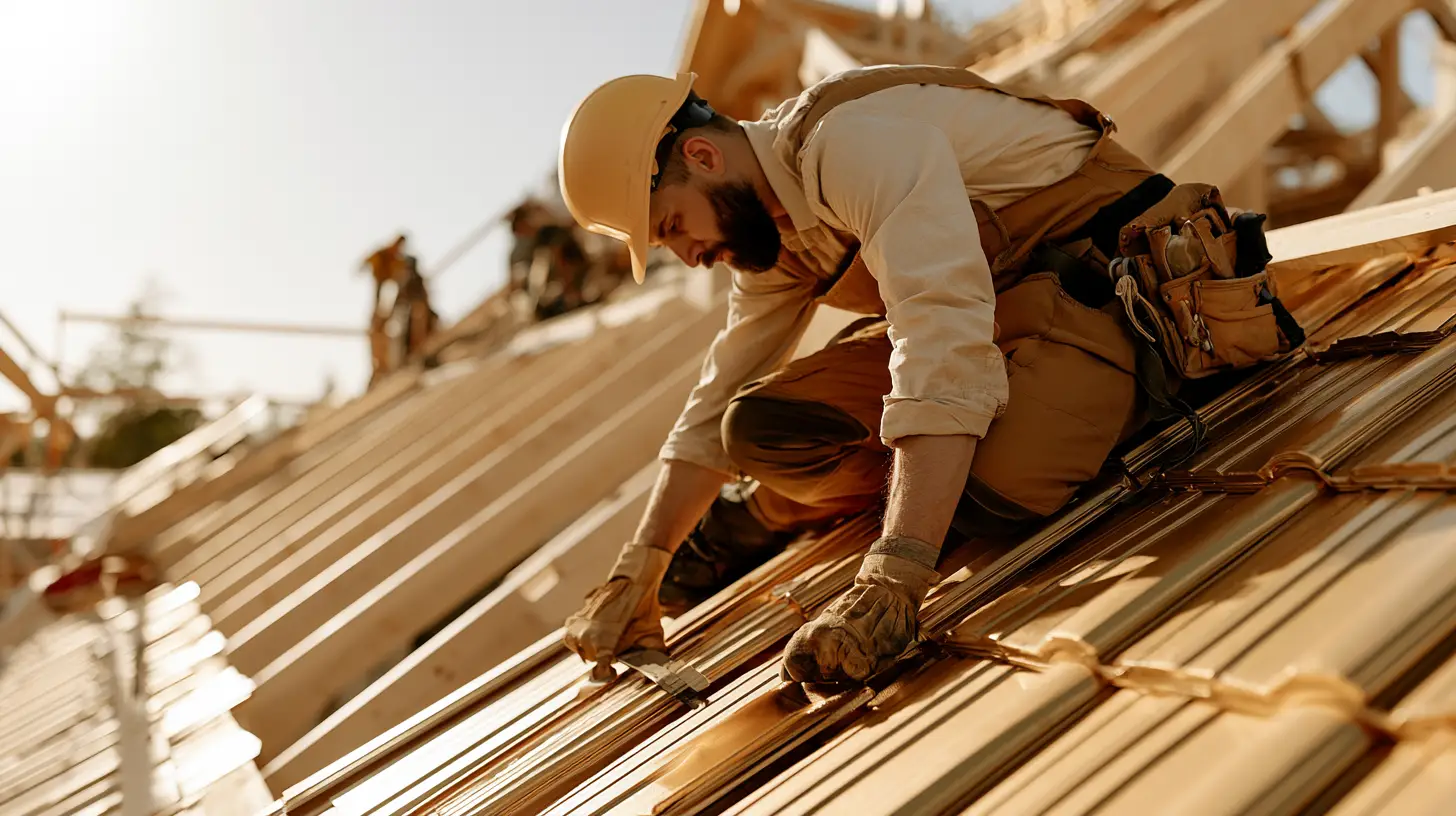
- “Metal roof installation showing long-lasting roofing material”
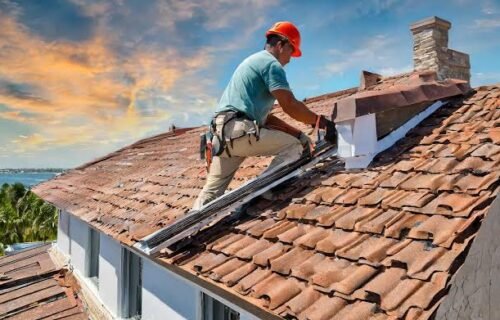
- “Roofing professional inspecting shingles for signs of aging”