Roof Replacement Signs You Shouldn’t Wait On
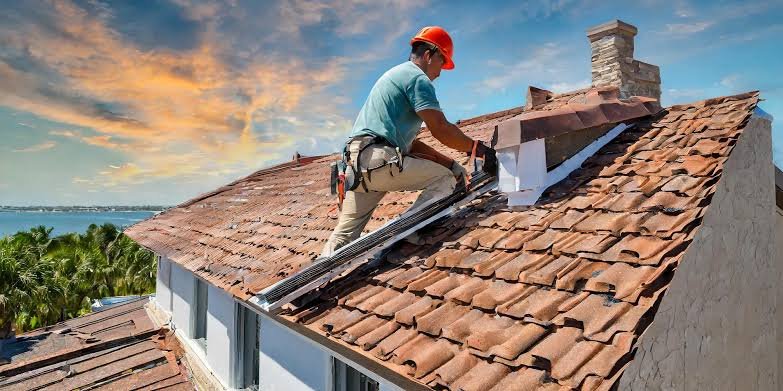
Roofs are easy to forget about. You don’t look at them every day, they’re not exactly at eye level, and most people only think about theirs after a leak’s already happened. But there are usually roof replacement signs showing up well before that point, if you know where to actually look.
I’ve noticed people fall into one of two camps here — either mild panic over a single missing shingle, or complete denial until there’s a stain on the ceiling. Neither reaction is quite right. The truth is somewhere in the middle, and it’s honestly not that hard to read once you know what you’re looking for.
Let’s go through the real roof replacement signs worth paying attention to in 2026, and which ones are more of a “keep an eye on it” situation than an emergency.
How Old Is Too Old for a Roof
Quick answer: Most asphalt shingle roofs last 20-25 years, while metal, tile, and slate roofs can last significantly longer — age alone doesn’t guarantee failure, but a roof nearing or past its expected lifespan should be inspected more closely, even without obvious visible damage.
Age is the first thing worth checking, mostly because it frames everything else. A roof showing minor wear at year 8 is very different from the same wear showing up at year 22.
Rough lifespan by material:
- Asphalt shingles: 20-25 years
- Architectural shingles: 25-30 years
- Metal roofing: 40-70 years
- Clay or concrete tile: 50+ years
- Slate: often 75-100+ years
If you don’t know your roof’s exact age, checking the original building permit or asking a previous owner (or agent, if the home was recently purchased) usually gets you close enough.
Missing, Curling, or Cracked Shingles
Quick answer: Shingles that are missing, curling at the edges, or visibly cracked are among the clearest roof replacement signs, since they indicate the material has aged past its ability to properly shed water and protect the underlying structure.
This is usually the most visible category, and it’s worth a walk around your property a couple of times a year just to look up.
What to watch for:
- Shingles curling upward at the corners (a classic sign of aging asphalt)
- Missing shingles after a storm, even just a few
- Cracked or split shingles across multiple sections, not just one isolated spot
- Shingles that look bald or patchy where granules have worn away
Picture a roof with a handful of curling shingles concentrated on the south-facing slope, the side that gets the most sun exposure. That’s a pretty textbook aging pattern, and it usually means the rest of the roof isn’t far behind, even if it looks fine elsewhere.
Granules Collecting in Gutters
Has this ever happened to you — you clean your gutters and notice what looks like sand or small gravel mixed in with the leaves? Those are shingle granules, and their presence is a genuine warning sign, not just debris.
Granules protect asphalt shingles from UV damage. As shingles age, they shed more of these granules, which means less protection for what’s underneath.
- A small amount of granule loss is normal, especially on a newer roof
- Heavy, consistent granule buildup after every rain suggests advancing wear
- Bald patches on shingles paired with granule loss point toward a roof nearing the end of its usable life
Sagging Rooflines or Uneven Surfaces
This is one of the more serious roof replacement signs, and it’s worth taking seriously rather than waiting to see if it gets worse.
A sagging roofline can indicate:
- Structural damage to the decking underneath
- Prolonged moisture exposure weakening the support structure
- Excess weight from multiple layers of old roofing material
- In rare cases, foundational or framing issues affecting the whole structure
[link to related guide on roof waterproofing methods here]
None of these are DIY-diagnosable from the ground. If you notice any visible dip or unevenness along the roofline, that’s a call-a-professional-soon situation, not a wait-and-see one.
Daylight Visible Through the Attic Roof Boards
Quick answer: If you can see daylight coming through the roof boards from inside your attic, that means there are gaps or holes large enough for water and pests to get in too, making this one of the more urgent roof replacement signs to address.
This check takes five minutes and tells you a lot. Head into the attic during daylight hours, turn off any lights, and look up.
Also worth noting while you’re up there:
- Water stains on the underside of the roof decking
- Damp or discolored insulation
- Any visible mold or mildew smell
If daylight is visible anywhere, that’s not a maintenance item — that’s an active entry point for water, and likely already causing damage you can’t yet see from the outside.
Frequent or Recurring Leaks
A single leak after an unusually severe storm doesn’t automatically mean full replacement. But recurring leaks, especially in different spots each time, tell a different story.
Quick answer: One isolated leak is often repairable, but leaks that keep recurring in different locations usually indicate the roofing material as a whole has aged past effective repair, making replacement more cost-effective than continually patching individual spots.
If you’ve called a roofer for patch repairs more than once or twice in a couple of years, it’s worth getting a full roof evaluation rather than continuing to treat each leak as an isolated incident.
[link to related guide on types of roofing materials for different climates here]
Moss, Algae, and Excessive Growth on the Roof
A little moss or algae staining isn’t necessarily an emergency, but it’s worth understanding what it signals.
- Moss retains moisture against the shingle surface, accelerating wear over time
- Dark streaking is often algae, which is more cosmetic but can indicate a consistently damp roof surface
- Heavy moss growth can lift shingle edges, creating entry points for water
Light cleaning can help with cosmetic algae staining, but persistent moss growth combined with an aging roof usually points toward deeper wear underneath, not just a surface issue.
Rising Energy Bills Without Another Explanation
This one’s easy to miss because it doesn’t look like a roofing problem at first.
If heating or cooling costs have crept up without an obvious cause — no major weather shift, no new appliance — a failing roof and compromised insulation underneath could be part of the reason. Gaps and wear in roofing material let conditioned air escape more than most people expect.
[link to related guide on energy efficient home improvements here]
FAQ: Common Questions About Roof Replacement Signs
How do I know if I need a roof repair or a full replacement? Isolated damage in one area, on an otherwise healthy roof, is usually repairable. Widespread wear, recurring leaks in multiple spots, or a roof near the end of its expected lifespan usually points toward replacement.
What’s the most reliable early sign of roof failure? Curling or cracked shingles combined with granule loss in the gutters are among the most reliable early roof replacement signs, often visible well before any leak occurs.
Can I inspect my roof myself, or do I need a professional? A basic visual check from the ground and an attic inspection for daylight or water stains is fine to do yourself. Anything on the actual roof surface, or a suspected structural issue, is safer left to a professional.
How often should a roof be professionally inspected? Once a year is a reasonable baseline, with additional checks after major storms or severe weather events.
Does a sagging roofline always mean structural damage? Not always, but it’s serious enough to warrant a professional evaluation quickly, since it can indicate moisture damage or weakened support structures underneath.
How much does roof age matter compared to visible damage? Both matter together. A roof near the end of its expected lifespan combined with visible wear is a stronger signal for replacement than either factor alone.
Conclusion
Most roof replacement signs don’t show up as one dramatic failure. They build gradually — curling shingles, granules in the gutter, a bit of daylight in the attic, a leak that keeps coming back. Catching these early usually means the difference between a manageable repair and a full, expensive replacement done under pressure after real damage has already occurred.
Take fifteen minutes this weekend to check your attic and walk your property looking up. If two or more of these signs show up together, it’s worth scheduling a professional inspection sooner rather than later.
Suggested image alt text:
- “Curling and cracked asphalt shingles on aging roof”
- “Shingle granules collected in home gutter system”
- “Daylight visible through attic roof boards indicating gap”