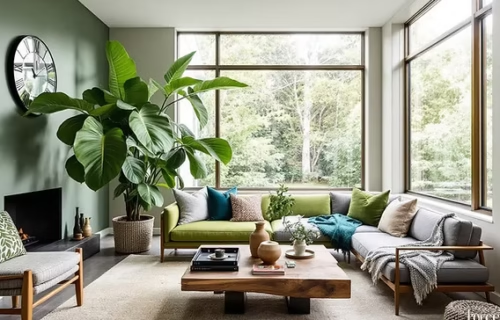
Scandinavian Home Design: A Practical Style Guide for 2026
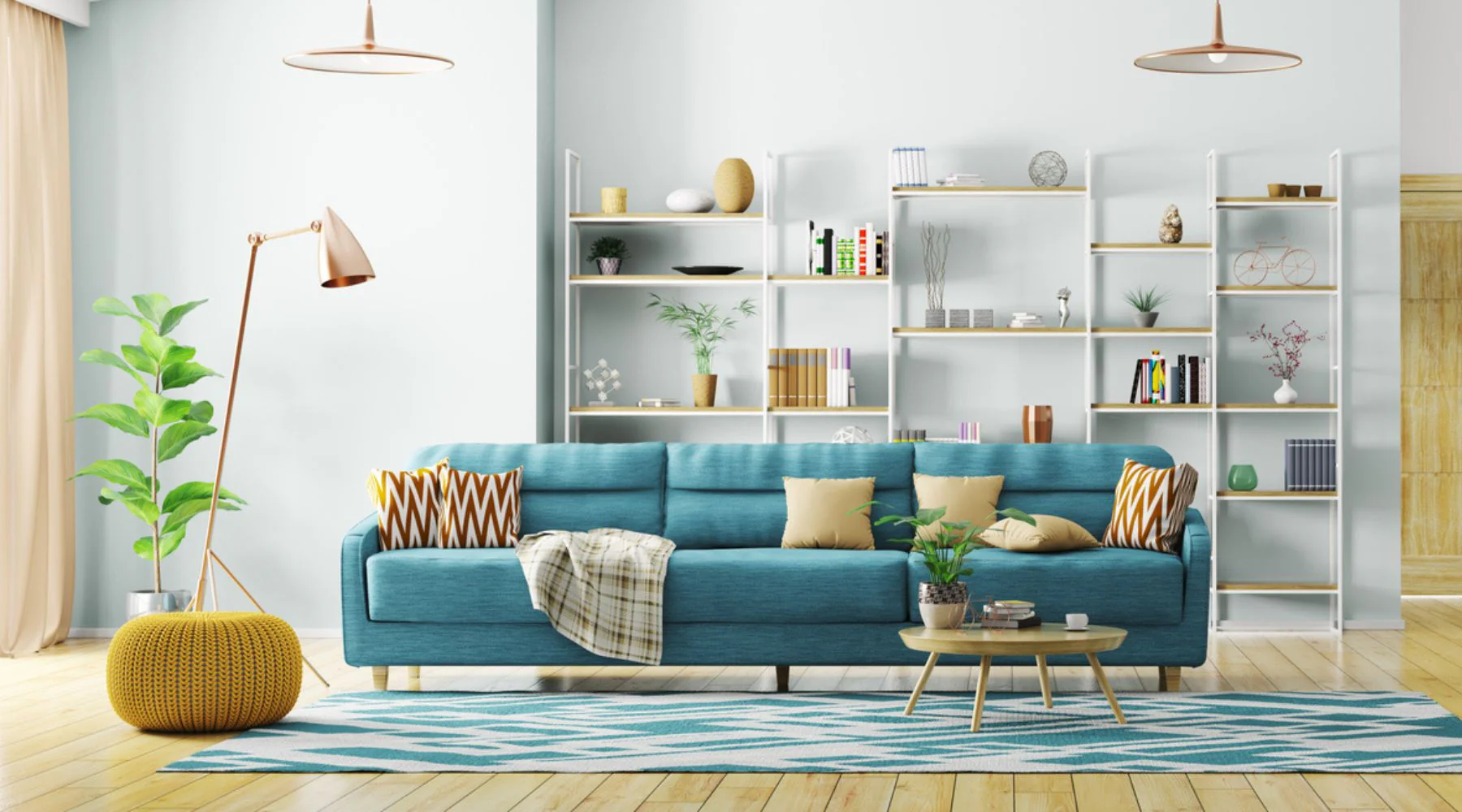
Open any home decor page on Instagram and you’ll see it within the first ten posts — pale wood floors, white walls, one cosy throw blanket, maybe a single dried pampas grass stem in a vase. That’s Scandinavian home design, and it’s been everywhere for years now, for good reason. It just works, even in spaces nothing like Copenhagen.
But here’s the question I get asked a lot — can this style actually survive an Indian summer, monsoon dust, and a joint family living room? Short answer: yes, with a few adjustments. This guide isn’t another “10 dreamy Nordic living rooms” listicle. It’s a practical breakdown of what Scandinavian home design actually means, and how to bring it into a real Indian home in 2026 without it looking like a showroom nobody actually lives in.
What Scandinavian Home Design Actually Means
Featured answer: Scandinavian home design is a minimalist interior style from the Nordic countries (Denmark, Sweden, Norway) built around light colours, natural materials, functional furniture, and cosy textures — prioritising simplicity, natural light, and everyday comfort over ornate decoration.
It’s not just “white walls and wood.” A lot of people flatten it down to that, which honestly annoys me a little. The whole point of the style came from long, dark Nordic winters — the design choices are about maximising light and warmth, not just looking clean for the sake of it.
Think functional over decorative. Every piece earns its place. There’s a reason IKEA, a Swedish company, basically built a global empire on this exact philosophy — practical furniture that still feels warm and considered.
Core Elements of a Scandinavian-Style Home
- Light, neutral wall colours — whites, soft greys, pale beige
- Natural materials: light wood (oak, pine, ash), wool, linen, rattan
- Clean-lined, functional furniture with minimal ornamentation
- Layered textures — a chunky throw, a woven rug, a linen cushion, all in muted tones
- Plenty of natural light, sheer curtains rather than heavy drapes
- Greenery — usually one or two statement plants, not a jungle
I’ve noticed people go overboard trying to make everything perfectly white and end up with a room that feels cold rather than cosy. That’s actually the opposite of what this style intends. The Danish concept of “hygge” — cosiness, warmth — is baked into it.
Adapting Scandinavian Home Design for Indian Homes
Featured answer: In Indian homes, adapt Scandinavian home design by keeping the light, neutral base but adding warmth through textiles, using local materials like sheesham or mango wood instead of imported pine, and choosing lighter fabrics suited to the climate rather than heavy Nordic wools.
Straight-up Nordic wool textiles are impractical in most of India — too hot, too heavy for our climate. Swap them for lighter cotton or linen throws and rugs instead. You still get the texture and warmth, minus the sweating through summer.
Local wood works beautifully here too. Sheesham and mango wood furniture, widely available and often more affordable than imported pine, gives a similar pale, natural look. [link to related guide on choosing the right paint finish here]
Colour Palette: Keeping It Light Without Going Sterile
Stick to a base of whites, soft greys, and warm beige, then add depth with one or two muted accent colours — dusty blue, sage green, terracotta even, used sparingly.
Picture a small business owner in Jaipur running a home décor store — she repainted her showroom in a soft warm white with sheesham wood shelving and just one navy accent wall. Customers kept asking what “style” it was, without realising it was basically textbook Scandinavian, adapted for local materials.
Avoid pure stark white though — it can look clinical under Indian daylight, which tends to be harsher and brighter than Nordic light. A warmer off-white or soft ivory usually reads better.
Furniture Choices That Fit the Style
Look for pieces with clean lines, tapered wooden legs, and minimal detailing. Overly ornate, heavily carved furniture — common in a lot of traditional Indian furniture markets — works against this look.
- A simple wooden dining table with tapered legs rather than a heavily carved one
- Open shoe/shelf units in light wood instead of dark, bulky cabinets
- A neutral fabric sofa (linen-look, not velvet) as the anchor piece
- Woven cane or rattan chairs — genuinely popular in both Scandinavian and Indian design traditions, so this crossover is easy
Lighting the Scandinavian Way
Nordic homes lean heavily on warm, layered lighting because natural daylight is scarce for months. In India we’ve got the opposite problem — too much harsh daylight sometimes — but the layered lighting principle still applies indoors.
- Use warm-toned bulbs (2700-3000K) rather than cold white
- Add a floor lamp or two rather than relying only on one central light
- Sheer white or cream curtains that filter light softly rather than blocking it out completely
Common Mistakes When Trying This Style
- Going too stark — all white, no texture, ends up feeling like a hospital rather than a home
- Using dark, heavy furniture that clashes with the light palette
- Overcrowding shelves with too many decorative objects (Scandinavian design is genuinely about restraint)
- Skipping textiles entirely — a Scandinavian room without any soft textures looks unfinished
- Copying Pinterest boards exactly without adjusting for India’s brighter, harsher daylight
[link to related guide on small living room decorating ideas here]
FAQ: Common Questions About Scandinavian Home Design
Is Scandinavian design suitable for hot climates like India? Yes, with adjustments — lighter fabrics instead of heavy wool, local woods instead of imported pine, and slightly warmer wall tones to avoid a stark, cold look under bright daylight.
What’s the difference between Scandinavian and minimalist design? Minimalism focuses purely on reducing clutter and objects; Scandinavian design does that too, but adds warmth through natural materials and cosy textures — it’s minimalism with hygge built in.
Do I need to buy IKEA furniture for a Scandinavian look? Not at all — plenty of Indian brands and local carpenters can replicate the clean-lined, light-wood aesthetic, often at a lower cost than imported pieces.
What colours are typically avoided in Scandinavian interiors? Very dark, saturated colours across large surfaces are generally avoided, though small dark accents (a black lamp, dark frame) are common as contrast points.
Is Scandinavian design expensive to achieve? Not necessarily — the style relies more on simplicity and good proportions than expensive materials, so it can be done affordably with careful choices.
Can Scandinavian style work in a small apartment? Yes, arguably even better than in large homes — the light colours, minimal clutter, and functional furniture principles are especially suited to small-space living.
[link to related guide on decorating on a tight budget here]
Wrapping It Up
Scandinavian home design isn’t about copying a Nordic showroom exactly — it’s a set of principles (light, natural materials, function, warmth) that adapt surprisingly well to Indian homes once you swap a few materials for local equivalents. Light walls, natural wood, layered textiles, warm lighting — that’s really the whole formula.
If you want to try this in your own space, start with one room and one change — repaint a single wall in a warm off-white, or swap out one piece of dark, heavy furniture for something in lighter wood. See how it feels before committing the whole flat to it.